




Pilot

Transmission Tower Inspection

AI-assisted defect screening for transmission towers, reviewed by a qualified inspector before use.

The problem

What Transmission Tower Inspection exists to change.

The situation this product exists to change, in the buyer's language.

Reviewing thousands of drone photographs per transmission line to find structural defects manually is slow and depends on a reviewer's attention holding up across a long, repetitive set of images.

Turning raw drone photography into a structured, per-tower inspection record — checklist, annotated evidence, and report — is a manual and time-consuming step.

Photos need to be sorted by tower before they are useful for inspection, which is its own manual task when a survey covers many towers.

A team piloting AI-assisted inspection needs a system that is honest about where it is, and is not yet, reliable enough to use unreviewed.

Approach

How Transmission Tower Inspection approaches it.

The direction the product takes to close that gap.

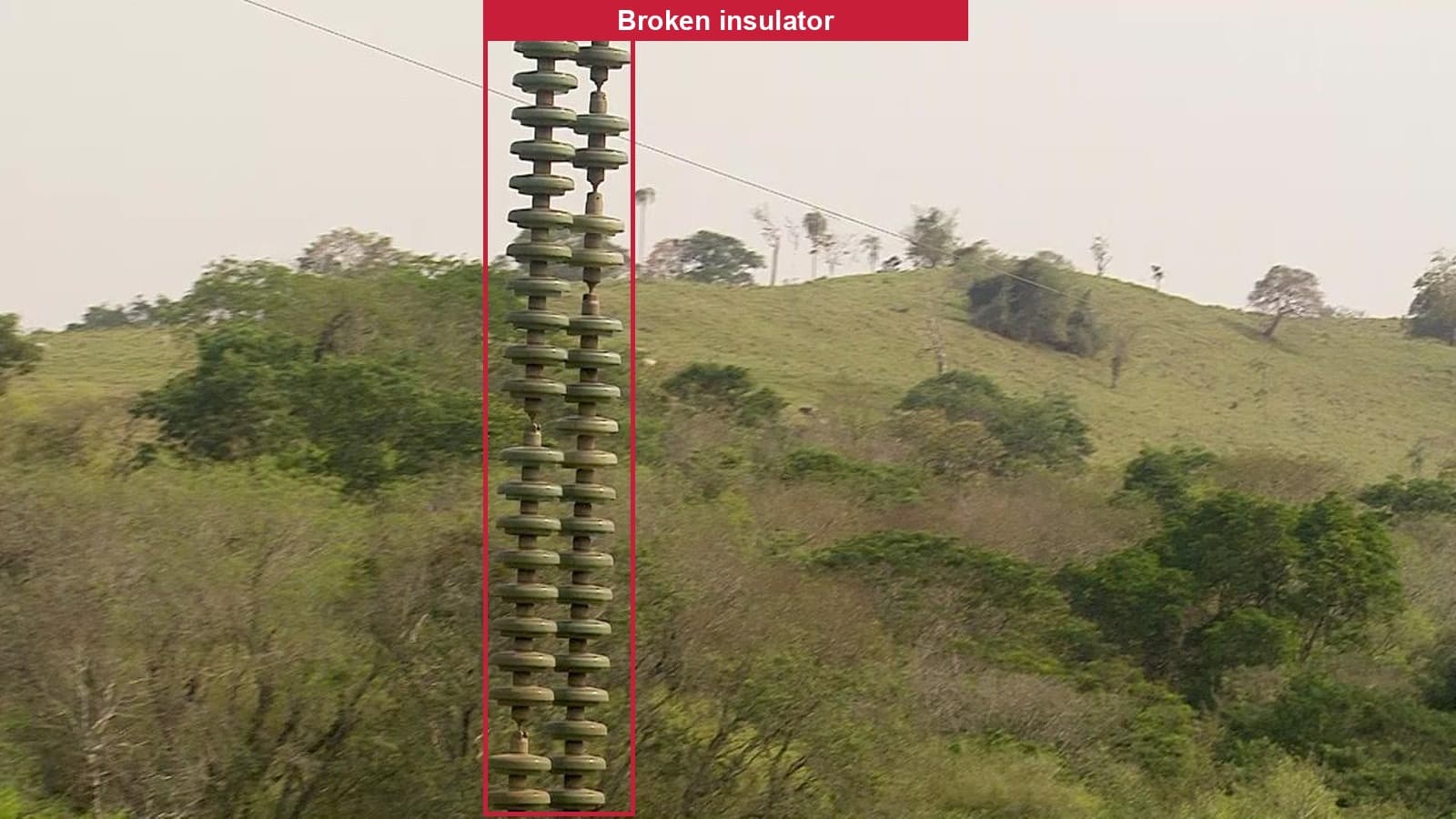
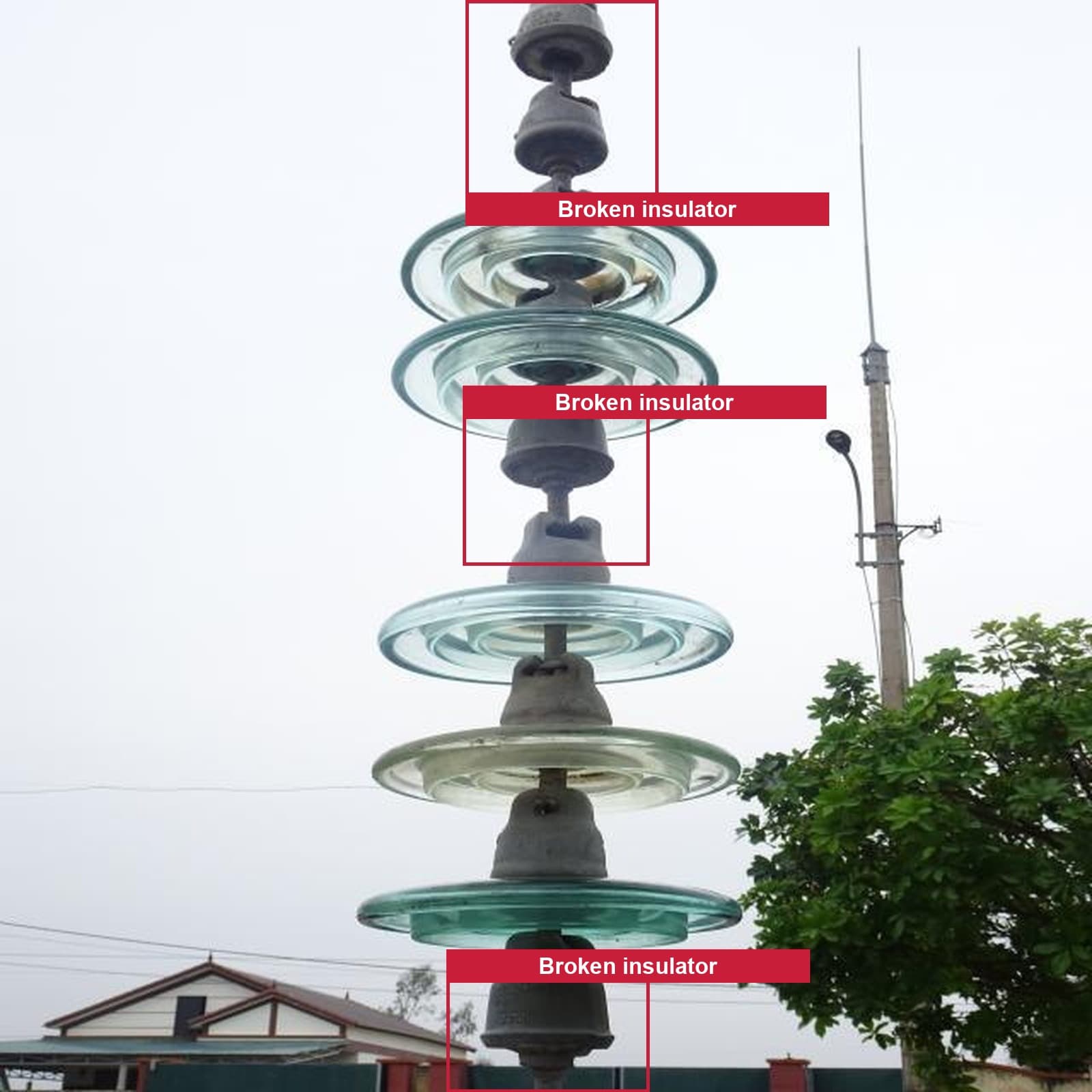
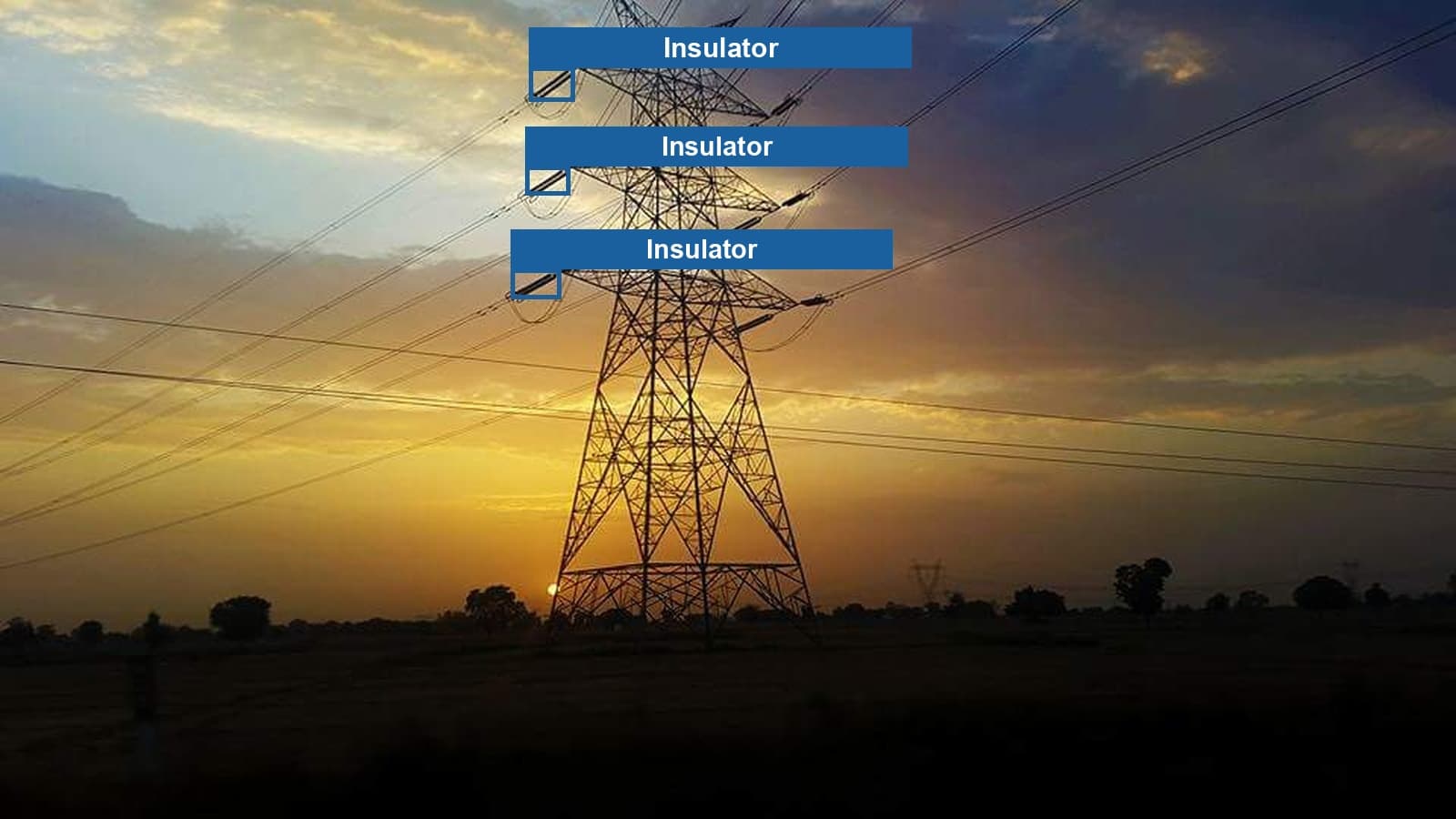
A YOLO-based detector (yolo26s-v9final, trained for 100 epochs) screens drone photographs for 13 classes, split between defects — broken insulator, broken conductor, corrosion, missing component, missing anti-climb device, bird nest, vegetation encroachment — and healthy components located in frame — insulator, conductor, arcing horn, vibration damper, corona ring, tower.

Photos are grouped into individual towers automatically, using EXIF GPS clustering and filename patterns, removing the manual sorting step before evidence can be reviewed.

Detections are annotated with bounding boxes and mapped onto a 46-point inspection checklist per tower, then compiled into a per-tower PDF report.

An operator dashboard supports uploading drone photography, reviewing the detected evidence, and downloading the generated report.

Any checklist point the system cannot assess from the available imagery is reported as NOT_ASSESSABLE rather than marked as passing. An earlier version inferred an 'OK' result from the absence of a detection; that was identified as a safety problem and removed. Absence of a detection is never reported as absence of a defect.

How it works

From first step to outcome.

The path from a first action to the outcome it produces.

  1. 01

    Ingest drone photography

    Photographs from a drone survey are uploaded through the operator dashboard.

  2. 02

    Detect

    The YOLO-based detector screens each image for the 13 defect and component classes it is trained on.

  3. 03

    Group into towers

    Images are clustered into individual towers automatically using EXIF GPS data and filename patterns.

  4. 04

    Annotate and checklist

    Detections are annotated with bounding boxes and mapped onto a 46-point inspection checklist per tower; any point the system cannot assess is marked NOT_ASSESSABLE rather than passed.

  5. 05

    Report and review

    A per-tower PDF report is generated for a qualified inspector to review before any operational decision is made.

Features

What’s inside.

Grouped by the part of the workflow each set of features supports.

Detection

  • A 13-class detector covering structural defects and healthy components located in frame
  • Defect classes: broken insulator, broken conductor, corrosion, missing component, missing anti-climb device, bird nest, vegetation encroachment
  • Component classes: insulator, conductor, arcing horn, vibration damper, corona ring, tower

Pipeline and reporting

  • Automatic grouping of images into towers using EXIF GPS clustering and filename patterns
  • Bounding-box annotation of every detection
  • A 46-point inspection checklist generated per tower
  • A per-tower PDF inspection report

Operator dashboard

  • Upload interface for drone photography
  • Evidence review before a report is finalized
  • Report download

Fit

Where it belongs.

Who this is built for, what it changes, and what it runs on.

Who it’s for

  • Transmission utilities running drone survey programmes who want a faster first pass over incoming imagery, with a qualified inspector still reviewing every result.
  • Inspection contractors delivering transmission-line surveys who want to speed up review of large photo sets without removing human sign-off.
  • Teams evaluating whether AI-assisted screening is worth adopting, through a bounded, human-reviewed pilot rather than a production commitment.

What changes

  • A full pass — detection, tower grouping, annotation, checklist, and report — completed at measured throughput of 30 images in 30.2 seconds end-to-end.
  • A structured, per-tower evidence set and PDF report instead of a folder of unsorted photographs.
  • A system that never reports a checklist point as passing when it cannot actually assess it: absence of a detection is reported as NOT_ASSESSABLE, not as absence of a defect.
  • An audited, independent benchmark result to evaluate against, rather than an unverified accuracy claim.

Built on

  • YOLO object detection
  • Python
  • FastAPI
  • PyTorch / Ultralytics
  • PDF report generation
  • EXIF GPS clustering

What to know before you buy

  • This system failed its own internal release gate on recall and is explicitly a pilot-stage tool, not a production or autonomous inspection system.
  • On an independent benchmark (30 licensed images from 10 sources, audited in July 2026 for training-data overlap, with none found), defect recall was 50% and component recall was 20.3% — the system misses a substantial share of defects and in-frame components on imagery outside what it was trained on. Defect precision was 100% and component precision 92.9%: what it flags is reliable, but it does not flag everything.
  • Every output requires review by a qualified inspector before any operational use. The system is not suitable for autonomous inspection, certified structural or electrical inspection, or a production-accuracy commitment.
  • The system does not automate coverage of all 46 checklist points; points it cannot assess from the available imagery are reported as NOT_ASSESSABLE rather than passed.
  • Validation performance during training was mAP@50 of 0.562 and mAP@50-95 of 0.371 for the yolo26s-v9final model after 100 epochs — a useful but limited detector, consistent with the benchmark recall figures above.
  • The benchmark's defect figures rest on six positive defect observations across the 30 images, so the precision number in particular carries wide uncertainty. It is enough to show the recall gap is real; it is not a statistically powered accuracy guarantee, and firm accuracy targets should only be agreed against a jointly labelled acceptance set built from your own imagery.

Questions

What buyers usually ask.

A first conversation can clarify fit, access, and what a quotation needs to cover.

On an independently audited benchmark of 30 licensed images from 10 sources, with no training-data overlap found, defect precision was 100% and defect recall was 50%; component precision was 92.9% and component recall was 20.3%. In practice, what the system flags is reliable, but it misses a substantial share of defects and components on imagery it has not effectively seen before, which is why it failed its own internal release gate on recall.

No. It is a pilot-stage screening tool. Every output requires review by a qualified inspector, and the system is not suitable for autonomous inspection, certified structural or electrical inspection, or a production-accuracy commitment.

It is reported as NOT_ASSESSABLE rather than as a pass. An earlier version inferred 'no defect' from the absence of a detection; that behavior was identified as unsafe and removed. Absence of a detection is never reported as absence of a defect.

Measured throughput was 30 images processed end-to-end — detection, tower grouping, annotation, checklist, and report generation — in 30.2 seconds.

The pilot covers detection across 13 classes, automatic grouping of images into towers, annotated evidence, a 46-point per-tower checklist, and a per-tower PDF report, supported by an operator dashboard for upload, review, and download. It does not automate coverage of all 46 checklist points, and it is scoped to a limited, human-reviewed proof-of-value engagement rather than production deployment.

The current path is a bounded, human-reviewed pilot. Request a quotation to discuss scope, imagery requirements, and what a proof-of-value engagement with your team would look like.

Get a quotation

Tell us what you need.

Share the workflow, users, and constraints you're working with. We'll follow up with a scoped quotation.

Required

Back to top